
News Center
07
2021
-
01
Take a look at this — the pros and cons of grilles
Various host systems on the market are equipped with reasonable grilles to achieve the desired practical effects. Large engines, for example, are surrounded by huge metal covers with grilles installed in high-heat areas. The cover protects the engine, while the grille provides protection and heat dissipation. Even small everyday appliances like air conditioner outdoor units use metal shells with grilles on both sides, protecting the main unit while allowing ventilation and heat dissipation. Similarly, computer hosts, mobile phones, and other electronic devices all have grilles primarily for heat dissipation and secondarily for protection and aesthetics.
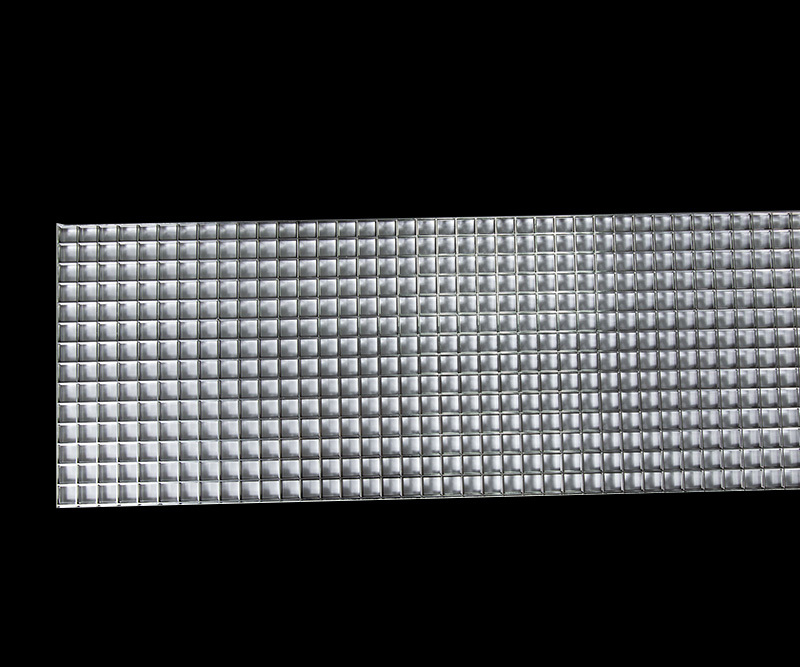
Grilles have excellent protective and heat dissipation functions. Made entirely of practical metal materials, they possess strong hardness and toughness, effectively protecting the main body from external damage and serving as a rain shield. This prevents water ingress that could damage the machine over time and also deters unauthorized disassembly of core components. Most importantly, grilles have obvious advantages in heat dissipation. Machines generate significant heat during prolonged operation, and if this heat cannot be expelled or dissipated, it can cause serious overheating and malfunctions. Grilles allow large amounts of hot air to escape directly, ensuring stable and consistent operating temperatures.
Grilles also have good decorative qualities. Nowadays, people no longer pursue quality alone; the standard is a combination of quality and aesthetics, which is the top choice. Alloy grilles can be custom-made according to personal preferences. Differences in color and texture influence people's aesthetic appreciation and experience.
Grilles have excellent high-temperature resistance. Mechanical equipment operates efficiently, generating a lot of heat that bakes surrounding structures. Without a high-quality protective cover, this would be impossible. Grilles can withstand intense heat without deforming, discoloring, peeling, blackening, or even cracking and failing.
Grilles have many advantages but also some drawbacks, which cause various inconveniences. Because they are mesh or strip-shaped with small gaps and many holes, dust and impurities accumulate over time if not regularly cleaned, reducing practical efficiency and causing air pollution. Removing and cleaning them promptly is very difficult; they are hard to clean thoroughly. Applying too little force leaves dirt behind, while too much force can scratch the metal structure and cause electrical conductivity. Some stubborn stains require special treatment to remove, creating greater trouble and incalculable economic losses for customers. This is the most significant and important drawback of using grilles, though other shortcomings also exist. See you next time!
Recommended News
© 2023 Ningbo Guosheng Instrument Co., Ltd. All rights reserved Powered by www.300.cn SEO